
Purchasing the 2027 RLP webinar series gives you lifetime access to the twelve lectures presented in 2027. The researcher’s report will be provided with each lecture.
How it Works
After you register, you will have access to the Research Like a Pro Webinar Series 2027 private course page on FamilyLocket.com. Using the username and password you created during checkout, you can log in, view the schedule, and get information about how to watch the presentations live via Zoom. The webinars will be recorded and placed on the webinar series private webpage along with the research report that goes along with it. We will send you an email each month to remind you about the upcoming webinar.
Schedule
Lectures will be presented via Zoom on the following schedule for 2027. The days alternate between Tuesdays and Saturdays. All times are 11am Mountain Time (Utah):
January: Testing a Tentative Hypothesis: AI as Adversarial Reviewer
 Jill Nock, AG
You’ve finished a phase of research and written it up, but you don’t have a colleague to review it for bias or other mistakes. Does the theory hold? Did tunnel vision on one person cause you to miss whole record types? This case study follows the search for the father of Mary Jane “Polly” Waugh, born about 1805–1808 in Ohio or Virginia. Starting with the objective, a locality guide, and a research plan, this presentation shows how the candidates were identified, documented in a research log, and eliminated, leaving George Waugh as the tentative father. Then an AI tool serves as a stand-in reviewer. Attendees see the prompts used to attack the argument, flag unsearched record groups, and propose competing candidates, and how each response was checked against the sources. Attendees leave with a prompting approach, a verification checklist, and a way to turn feedback into the next research plan. The handout for this lecture is a typical genealogical lecture syllabus, not a research report.
Topics: Gallia County, Ohio; Amherst County, Virginia; indirect evidence, process of elimination, FAN Club, land records, court records, census records, AI tools, research logging
February: The Hopkins-Fay-Veiock Connection: Identifying Ann Hopkins and Her Relationship to Thomas Hopkins of County Longford
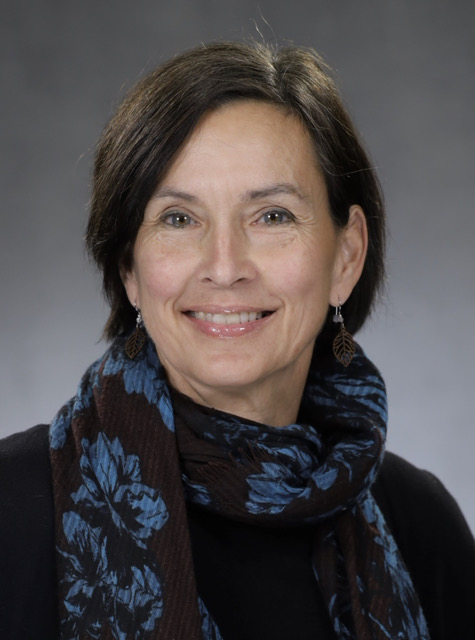 Adrienne Smith
Thomas Hopkins was living with Ann Fay and her family in the 1850 federal census. No direct evidence links them as siblings or cousins. A cluster of supporting DNA matches can be traced back to a Veiock family, but are the Veiock and Fay families the same family or a different family? This case uses documentary evidence and DNA evidence, including clustering and BanyanDNA, to support the conclusion that Thomas Hopkins was a sibling to Ann Fay.
Topics: New York, Pennsylvania, Ireland (County Longford), U.S. Federal Census Records, Catholic Church/Baptismal Records, Death Certificates, Immigration Records, Bank/Savings Records, AncestryDNA (Ancestral Journeys, Custom Clustering), BanyanDNA Statistical Modeling, DNA Match Evidence Analysis (Shared cM, Chi-Square Validation)
March: A Mid-19th Century German Immigrant’s Messy Family History: Proving Her Parents
 Heidi Mathis
Christina (Reckerman) Schlag’s death certificate stated she was born 24 September 1837 in Prussia to Christian Reckerman and died in St. Louis, Missouri, in 1919. Further research led to a baptism record of Christina Röckemann born 24 September 1838 at the Friedwalde Lutheran Church near Minden, Westphalia, Prussia to Friedrich Christian Röckemann and Anne Catharine Horstmann. Unraveling the complicated family life of these proposed parents, and Christina’s as well, provided solid evidence of Christina’s origins. Though DNA matches were sparse in Christina’s case, her few matches helped corroborate her documentary trail.
Topics: Mid-19th century German research, German church records in St. Louis, Missouri and in Germany, Missouri deeds, Mid-19th century German immigrant DNA research, Collateral Family Tree Research
April: A Grandfather for my Grandfather: A Proof Summary Identifying Morgan Lee (1849-1869)
Deborah Quintero
Morgan Lee Brannen was born 25 December 1888. By 1892 he was an orphan. Efforts to identify his deceased parents resulted in finding his mother, Laura E Lee, and her one and only census appearance as an 11-year-old in the household of her grandparents. This study examines evidence confirming the identity and life events of her father, Morgan Lee (1849-1869), my grandfather’s grandfather.
Topics: Georgia, Bulloch County, Civil War, Census and census substitites,Wills, Land Plats, Property taxes, Probate records, Guardianships, Annual Returns, Newspapers
May: Which Hans Hansen? Identifying an ancestor when names, ages, and records don’t agree
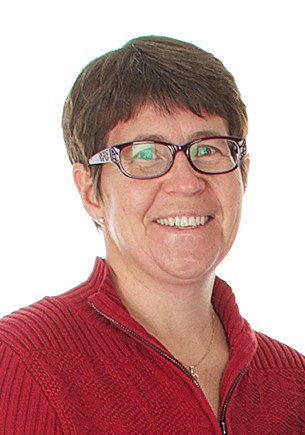 Torhild Shirley, AG
Tracing Danish ancestors can become challenging when several people share the same name and records don’t agree. In this case study, research into the ancestry of Ane Dorthea Hansen of Munke Bjergby, Denmark, uncovered three possible candidates for her grandfather, Hans Hansen. Census records, church records, military levy rolls, family relationships, and geographic clues helped eliminate candidates and evaluate the remaining evidence. Follow the research process, the challenges encountered, and the conclusions reached—including the questions that remain unanswered.
Topics: Denmark, merging identities, patronymics, census records, church records, military rolls, geographic proximity
June: Finding John Cornell’s Father: Indirect Evidence on the Western Virginia Frontier
Julie O’Brien
John Cornell was born in 1788, married Sarah Park in 1811 in Harrison County, Virginia, and raised 11 children while living in five counties. No surviving record names John’s father. Lost censuses, the lack of records, unrecorded land claims, and shifting county lines made the search especially difficult. This case study follows the Research Like a Pro process to trace Cornells through tax lists, census records, marriage bonds, deeds, court minutes, and a will. Correlating these records pointed to William Cornell as the most likely father and ruled out other candidates. Although the evidence is suggestive rather than conclusive, it has shaped a plan for future research.
Topics: Western Virginia (now West Virginia), Tax Records, Census Records, Marriage Records, Land Records, Court Records, Wills & Estates, Indirect Evidence
July: The Mary Miller Case in Lincolnshire, England
 Jessica Morgan, AG
The search for Mary Miller in Lincolnshire, England, hit a dead end until a seemingly wrong record on her FamilySearch profile gave a breakthrough. This case explores English bastardy bonds, parish records, common surnames, and the importance of double-checking records on FamilySearch, even ones that seem incorrectly attached.
Topics: England, FamilySearch Tree, common surnames, bastardy bonds, England censuses, England parish records
August: Discovering Hans Jensen–Diving into Danish Research using the RLP Process
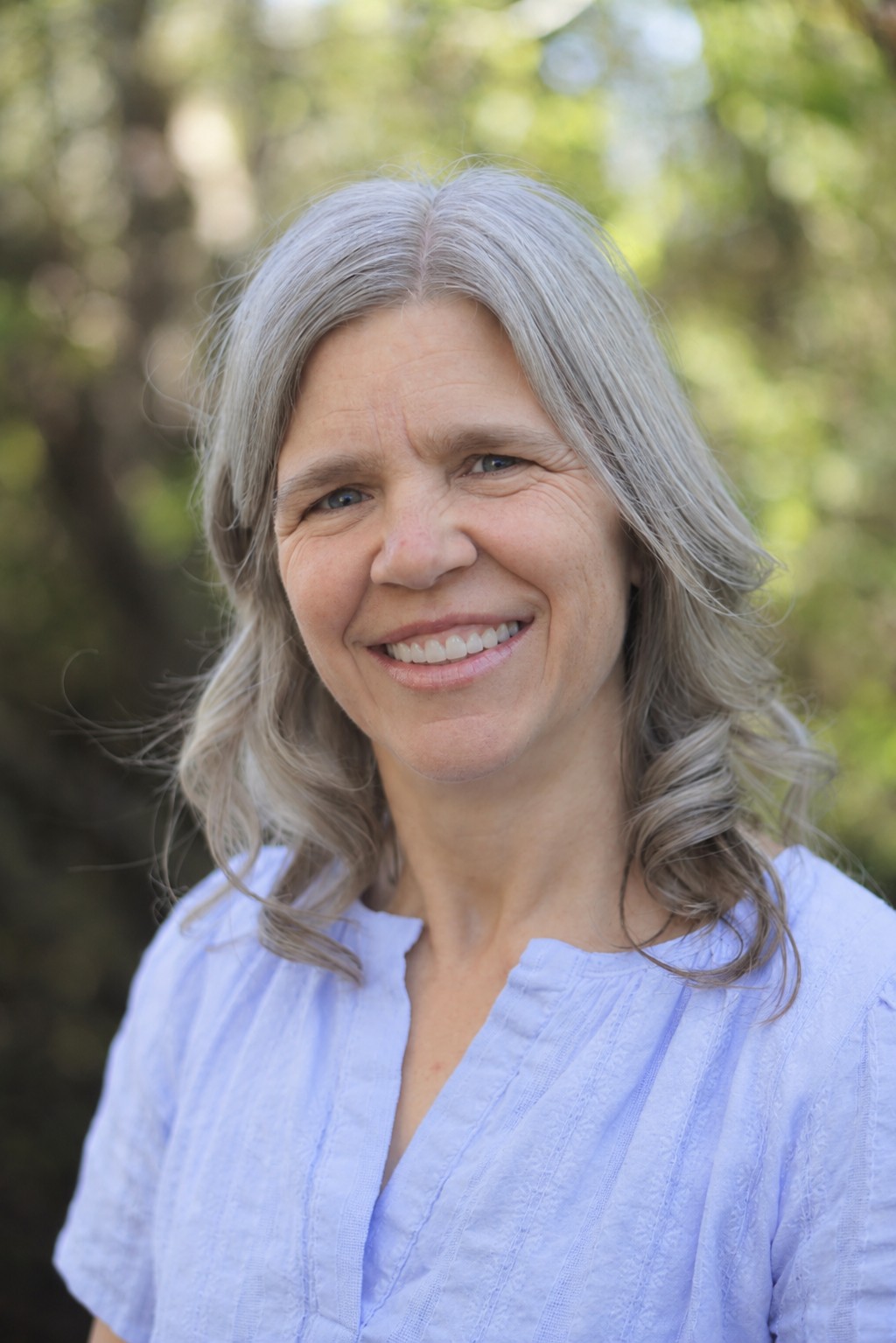 Charlotte Bailey
How do you reconstruct an ancestor’s life when familiar names, unfamiliar places, and conflicting records complicate the search? Follow the investigation of Hans Jensen and his family in nineteenth-century Denmark using the Research Like a Pro process. This case study demonstrates how a focused objective, geographic context, and careful analysis of online census and church records helped document Hans’s marriage, identify his six children, and uncover his death. Explore Danish naming patterns, research across neighboring parishes, and a daughter’s puzzling surname change. Learn how evaluating evidence—and recognizing what remains unresolved—can turn scattered discoveries into a documented family narrative and a purposeful plan for future research.
Topics: Online Danish church and census records, basic Danish geography, and Danish naming patterns.
September: Four Men Named Stephen Welton: A Genealogical Case Study in Identity, Migration, and Proof
 Alice Childs, AG
Alfred T. Welton’s parents appear in no surviving document, yet online family trees confidently name his father and his death. This case study will demonstrate how to separate men of the same name and trace a family through tax lists, census records, church, land, probate and newspaper records. Learn how friends, associates, and neighbors (the FAN club) and collateral relatives can fill gaps that direct evidence cannot. The case study will also show how to weigh evidence, compare original and derivative sources, and state a conclusion honestly when it is probable but not proven.
Topics: New York Research Strategies, Migration, Resolving same-name individuals, Cluster research; correlating Census, Tax, Military, Church, Land, Probate, Court, and Newspaper records; finding and analyzing published histories
October: Proving Parentage with Federal Records: The Case of Alexander C. Keaton’s Father
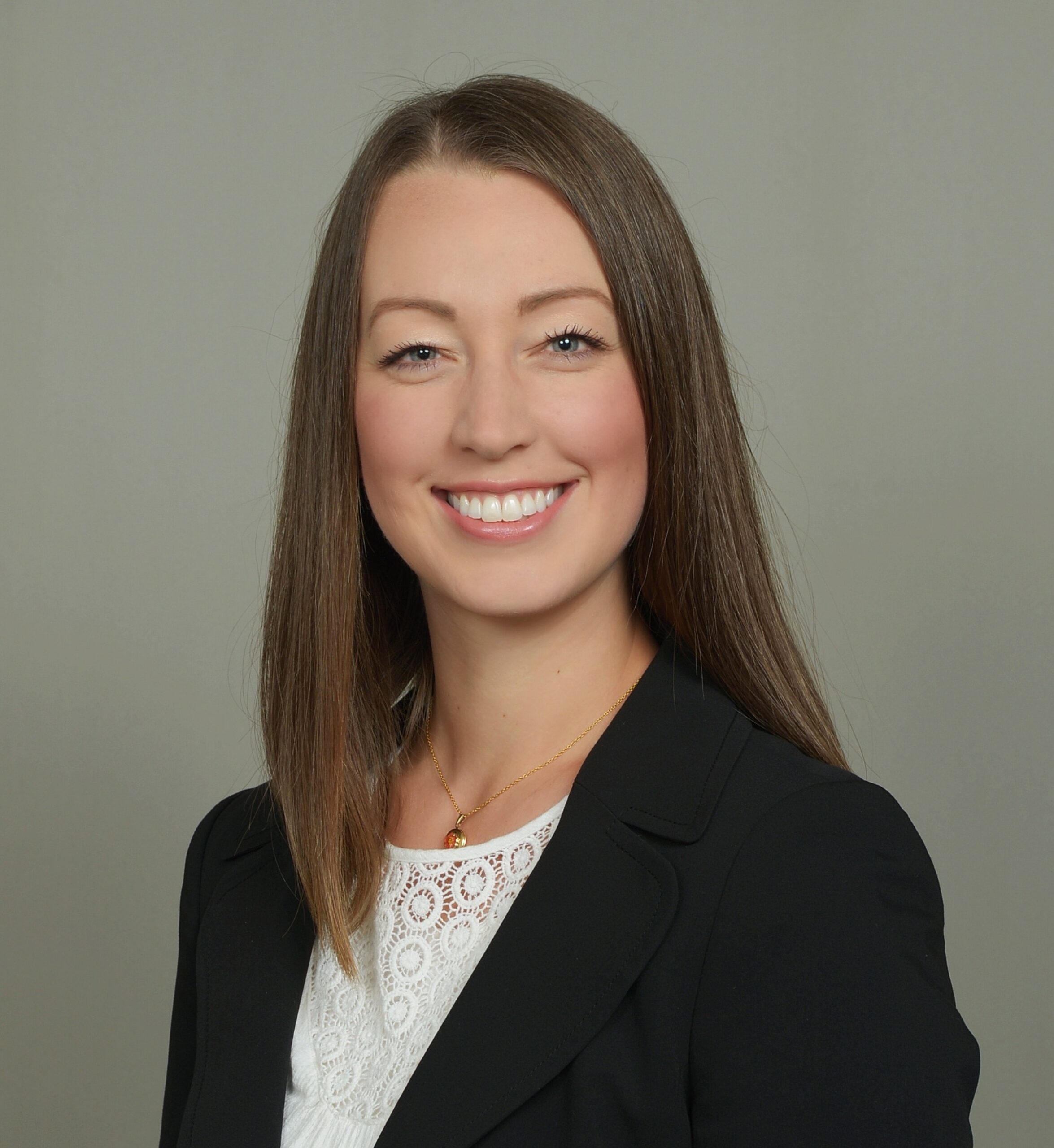 Nicole Dyer
Explore a genealogical investigation into the parentage of Alexander C. Keaton, where initial hypotheses weighed multiple potential candidates in nineteenth-century Mississippi. This case study demonstrates how correlating land patents, joint deed transactions, tax rolls, and federal census records helped narrow the field and systematically rule out alternative possibilities. Discover how the research unfolded step-by-step through cluster and circumstantial analysis, leading up to a crucial final breakthrough from National Archives (NARA) records that ultimately unlocked the definitive clue needed to solve the mystery.
Topics: Land patents, NARA records, federal land patents, tax records, pre-1850 census records, Mississippi, indirect evidence, land inheritance, deeds, Airtable, AI help with citations
November: From Fritz to Captain Friedrich Schwerman – Creating an Ancestral Legacy from Sparce Evidence
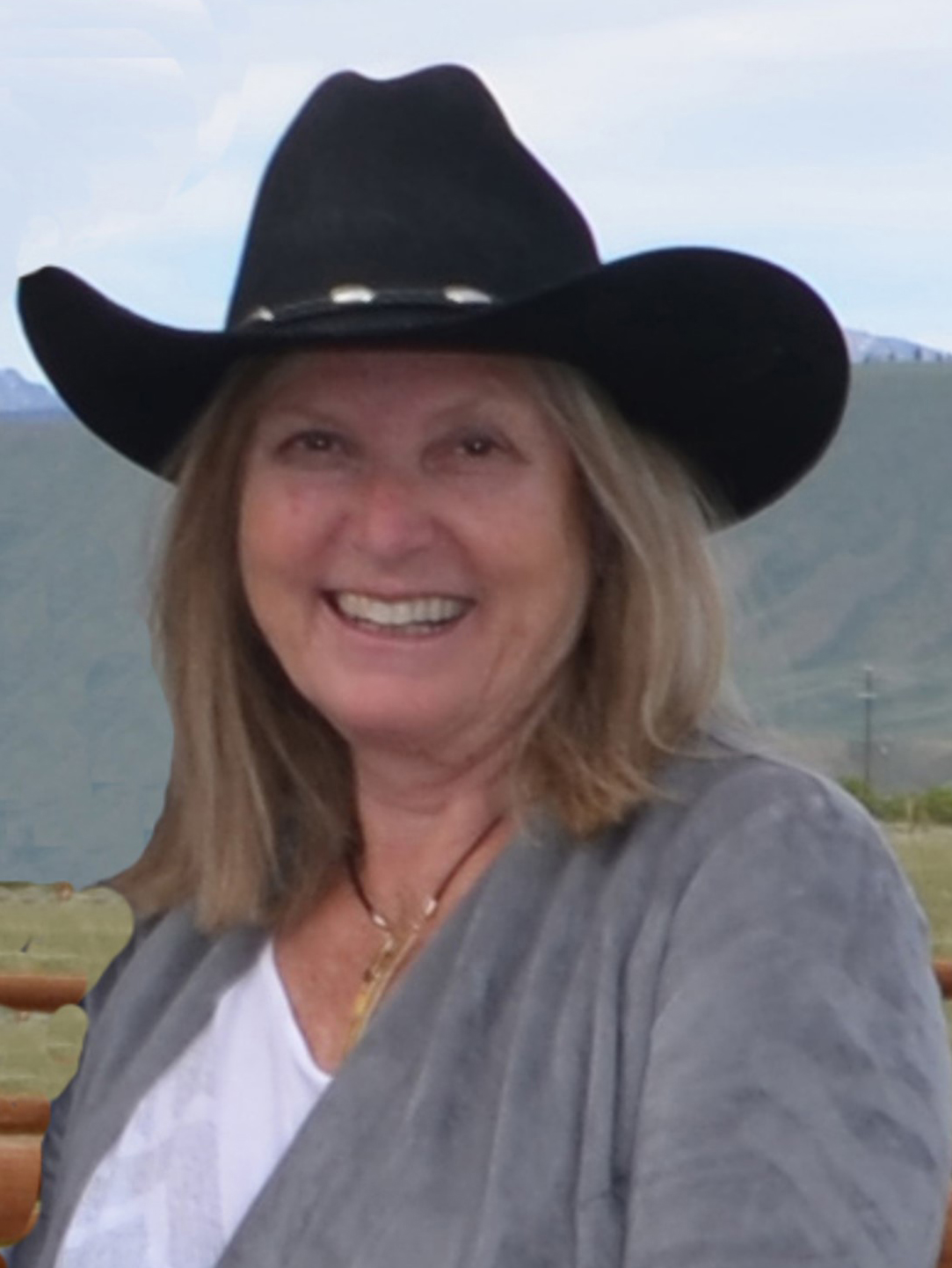 Barb Groth, AG
Fritz Schwerman was born in Germany and orphaned in Wisconsin, and he left few records during his lifetime. Only indirect and substitute evidence is available. This webinar uses his life as a case study to demonstrate a method for combining substitute records, historical context, and targeted DNA to turn sparse Great Lakes evidence into a documented ancestral story and documented legacy.
Topics: Great Lakes, Sparce Evidence, Probate, Autosomal & Y DNA, Creating the Story
December: Same Man, Better Proof: Thomas Beverly Royston of Alabama and Georgia Revisited
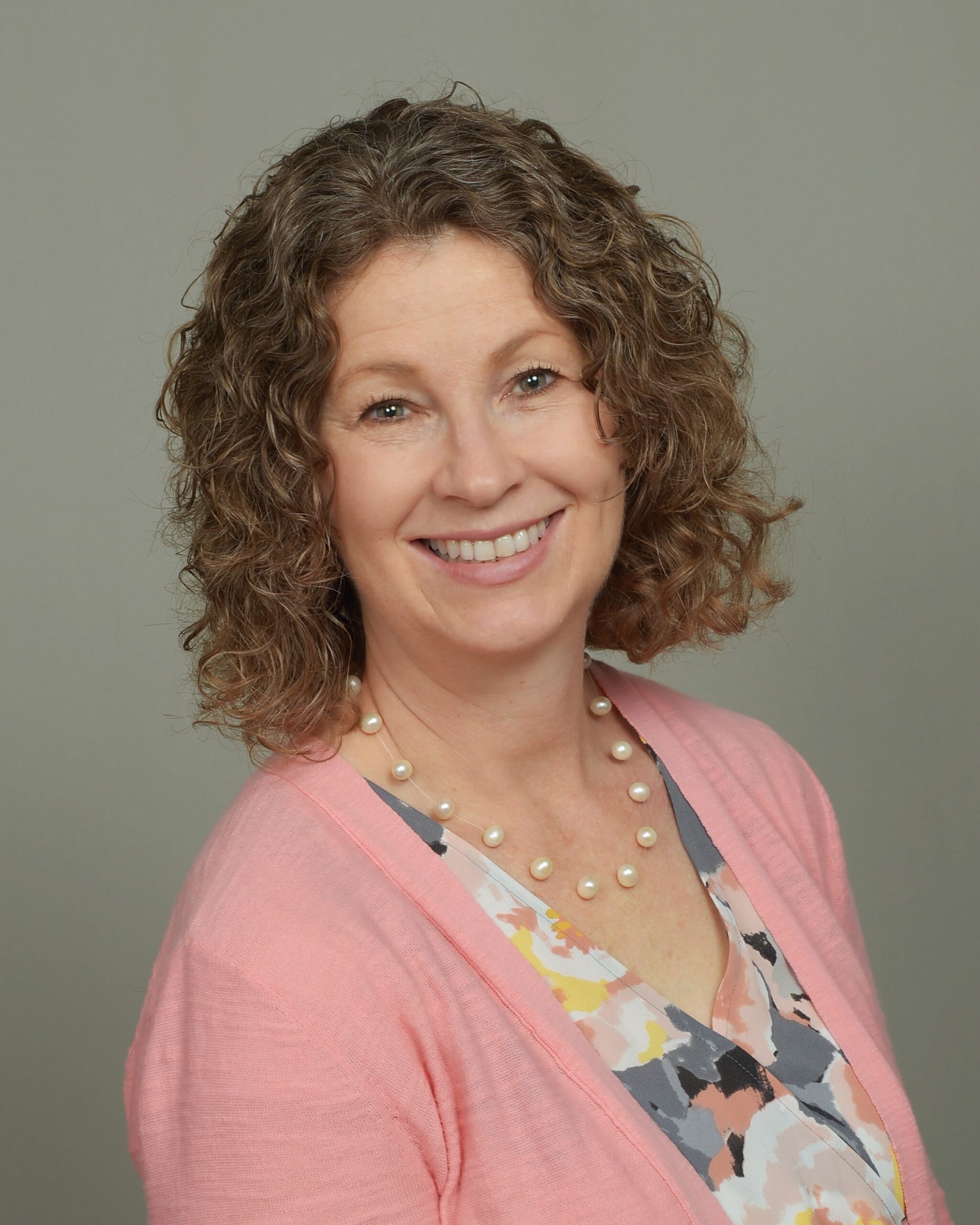 Diana Elder, AG
This session presents the case study of Thomas Beverly Royston of Alabama and Georgia, comparing an original 4-generation research report with a published article on the same problem. Attendees will see how new records changed the conclusions and how the evidence was reassembled into a stronger argument. The session also covers two practical workflow upgrades. The first is moving a research log from a spreadsheet into Airtable, so searches, sources, and findings are easier to sort, link, and reuse. The second is using AI to draft NGSQ-style citations faster, along with how to check its output so the citations stay accurate. Learn tips for building a proof argument and a few tools to manage your research.
Reviews
There are no reviews yet.